Working from home gives many people more flexibility, but it also creates new challenges. Without the structure of an office, it becomes easier to lose focus, blur personal boundaries, and feel isolated over time.
The goal is not only to stay productive. It is also to build a work rhythm that feels sustainable and positive. Here are five tips that can help remote work feel more manageable and more enjoyable.
5 Tips for Working from Home with Joy
1. Create a dedicated workspace
Even a small corner can make a big difference. A consistent place to work helps your brain switch into focus mode faster and creates separation between work and rest.
2. Keep a clear daily structure
Set a defined start time, break schedule, and finish time. Structure helps protect your energy and makes it easier to stay on task without overworking.
3. Reduce distractions intentionally
Silence unnecessary notifications, close non-essential tabs, and communicate boundaries to people around you. Remote work gets easier when your environment supports concentration.
4. Stay connected with your team
Isolation can slowly reduce motivation. Regular check-ins, async updates, and social touchpoints help remote workers feel part of something bigger than their own to-do list.
5. Add small routines that improve mood
Music, natural light, plants, good coffee, short walks, and a proper lunch break can all make workdays feel better. Small habits often have a bigger effect than dramatic changes.
Frequently Asked Questions
Is working from home productive?
It can be very productive when people have clear priorities, communication norms, and a workspace that supports focus.
What is the biggest mistake remote workers make?
Many people fail to create boundaries. That leads to constant context-switching, longer hours, and lower energy.
How can teams support remote work better?
Teams should define communication expectations, document decisions, and measure outcomes rather than online presence.
Making Remote Work Actually Work in Bangkok
For many Thai professionals, working from home removes the BTS commute but introduces a different kind of pressure: more calls, less separation, and an "always online" feeling that quietly drains energy. The solution is not just discipline. It is better design of your environment, schedule, and communication habits.
Practical WFH Upgrades for Thai Professionals
Use an external monitor if you work long hours on decks, spreadsheets, or design files
Batch LINE and email replies at set times instead of answering constantly
Use co-working spaces 1–2 days per week if home energy feels too isolating
Create a short start ritual and shutdown ritual to separate work from personal time
Schedule deep work in the morning before meetings take over the day
What Good Remote Communication Looks Like
Async-first communication usually works better than defaulting to calls. Write updates clearly, document decisions, and only pull people into meetings when discussion genuinely needs to happen live. That saves time and protects focus. If your role includes digital strategy, campaign reporting, or content planning, this matters even more because deep thinking is easily broken by interruptions.
What Working From Home Can Cost
The financial cost can be modest: a basic ergonomic chair, desk setup, webcam light, and external monitor in Thailand may run roughly ฿3,000–฿12,000 depending on quality. For many people, that is cheaper than long-term commuting costs and often improves output quickly.
FAQ for Remote Teams
Should managers track hours or output?
Output is usually the better measure. Clear deliverables, deadlines, and quality standards create stronger accountability than watching online status indicators.
How do I avoid burnout at home?
Set an end-of-day boundary, move your body during breaks, and avoid letting every small message become an urgent interruption.
If your work involves digital collaboration or marketing operations, browse more practical business reads in our articles library for guides on productivity, content, and growth.
Advanced Work From Home Strategies for Digital Professionals
Optimizing Your Home Office Setup
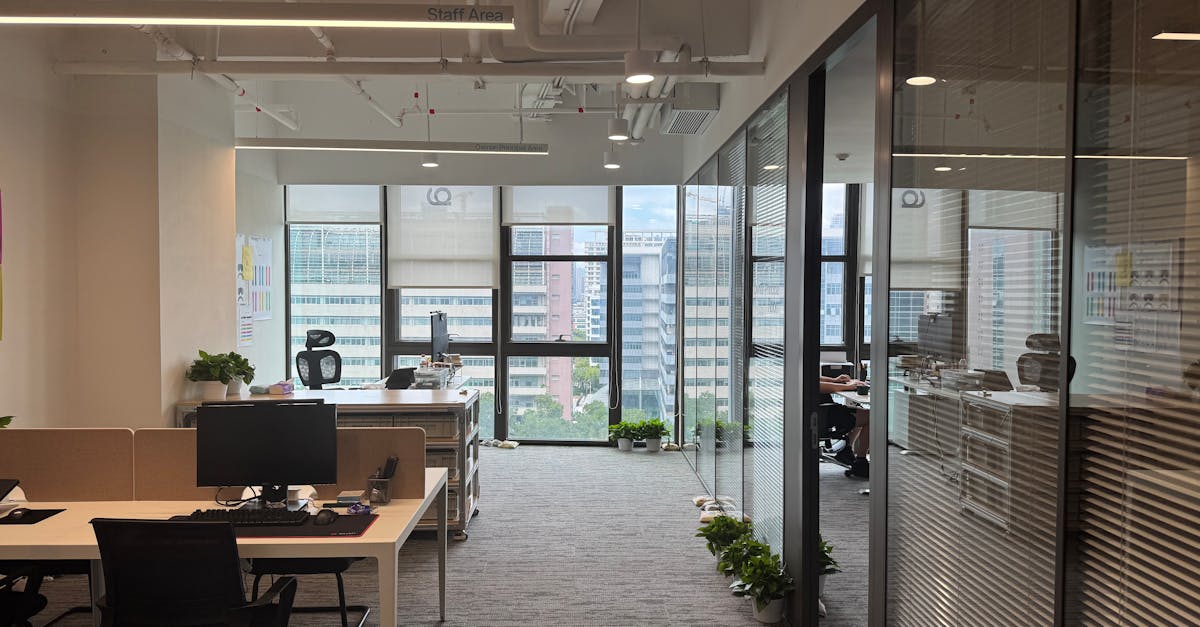
Separate your work area from relaxation spaces, even if it's just a dedicated desk corner. This physical separation helps your brain switch between "work mode" and "rest mode." Invest in an ergonomic chair and proper desk height — these reduce long-term health issues. Position your screen at eye level and ensure good lighting for video calls. A ฿5,000-15,000 investment in proper equipment pays for itself in productivity.
Collaboration Tools That Work
Remote teams need the right stack: Slack or LINE for quick communication, Notion or Asana for project management, Google Meet or Zoom for video calls, and Google Workspace or Microsoft 365 for document collaboration. The key is choosing one tool per function and getting everyone to actually use it consistently.
Maintaining Work-Life Balance
Set firm start and end times. Turn off work notifications after hours. Take breaks every 90 minutes. Exercise at least 30 minutes daily. Working from home well doesn't mean working all the time — it means working more efficiently within boundaries.
For Digital Marketing Teams Specifically
Marketing teams working remotely need clear reporting structures. Use GA4 dashboards that the whole team can access, set measurable KPIs, and hold a 15-minute daily standup to sync priorities. Creative reviews work best as recorded video walkthroughs (using Loom) rather than long meetings.
Managing Remote Team Productivity
Focus on output, not hours: Track deliverables and results, not login times
Over-communicate: Remote teams need more explicit communication than in-office teams
Regular 1-on-1s: Weekly check-ins prevent small issues from becoming big problems
Team building: Schedule monthly virtual social events to maintain team culture
Document everything: SOPs, processes, and decisions in writing so nothing gets lost